What Are Hair Patches and Who Should Use Them? A Complete Guide for Indian Women
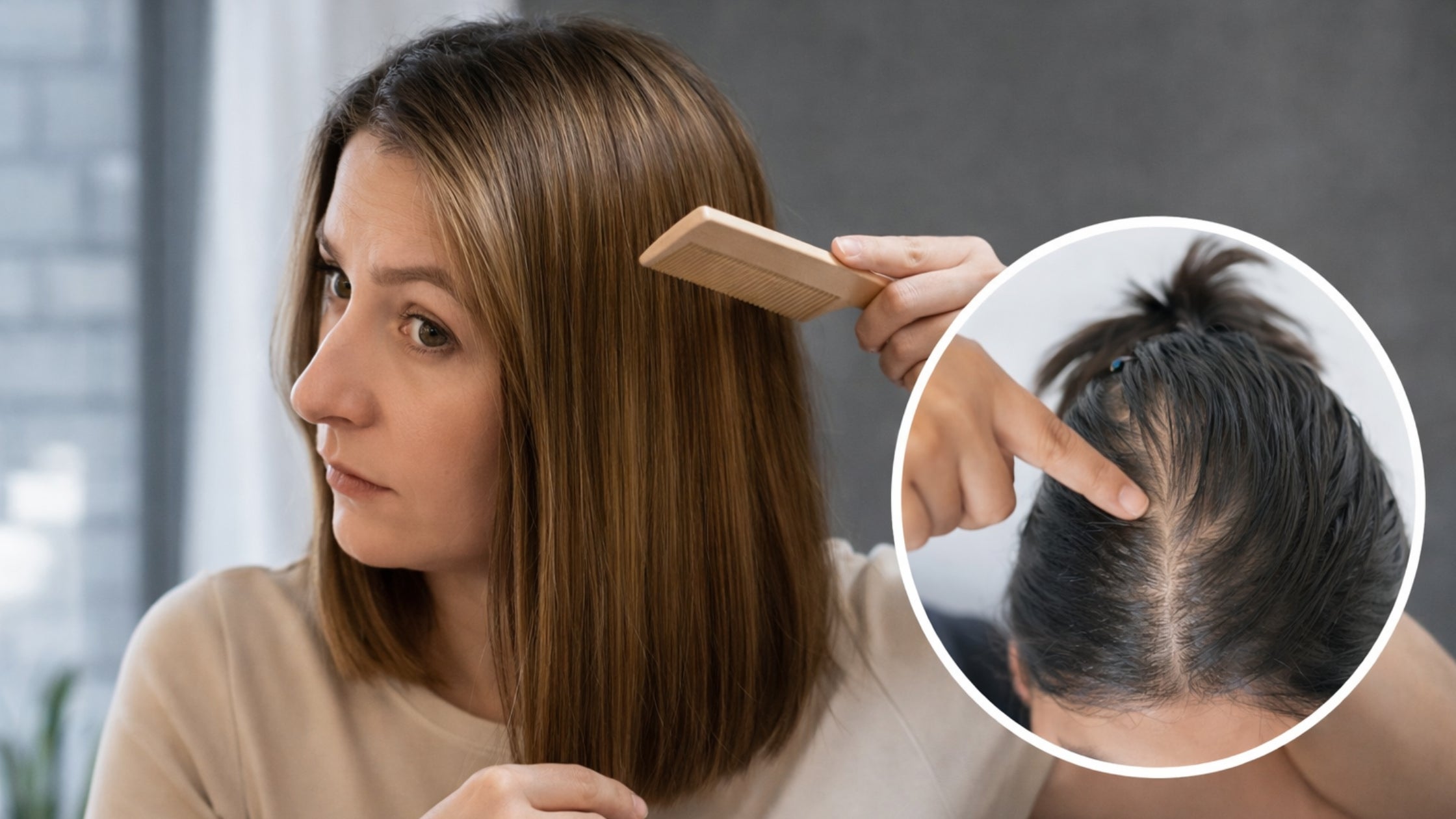
The centre parting looks wider. The crown appears flat. The ponytail has thinned noticeably over the past year. These are the signs most Indian women recognise before they start looking for a solution.
Hair patches are one of the most practical answers to this problem. They cover thinning areas immediately, require no surgery, no medication, and no waiting period. Yet most women have either never heard of them or assume they are complicated, expensive, or obvious to others.
This guide explains exactly what hair patches are, how they work, who benefits most from them, and how to choose the right one. If you are already exploring options for hair thinning, the complete guide to hair thinning solutions for Indian women covers the full range of both medical and cosmetic options available in 2026.
What Is a Hair Patch?

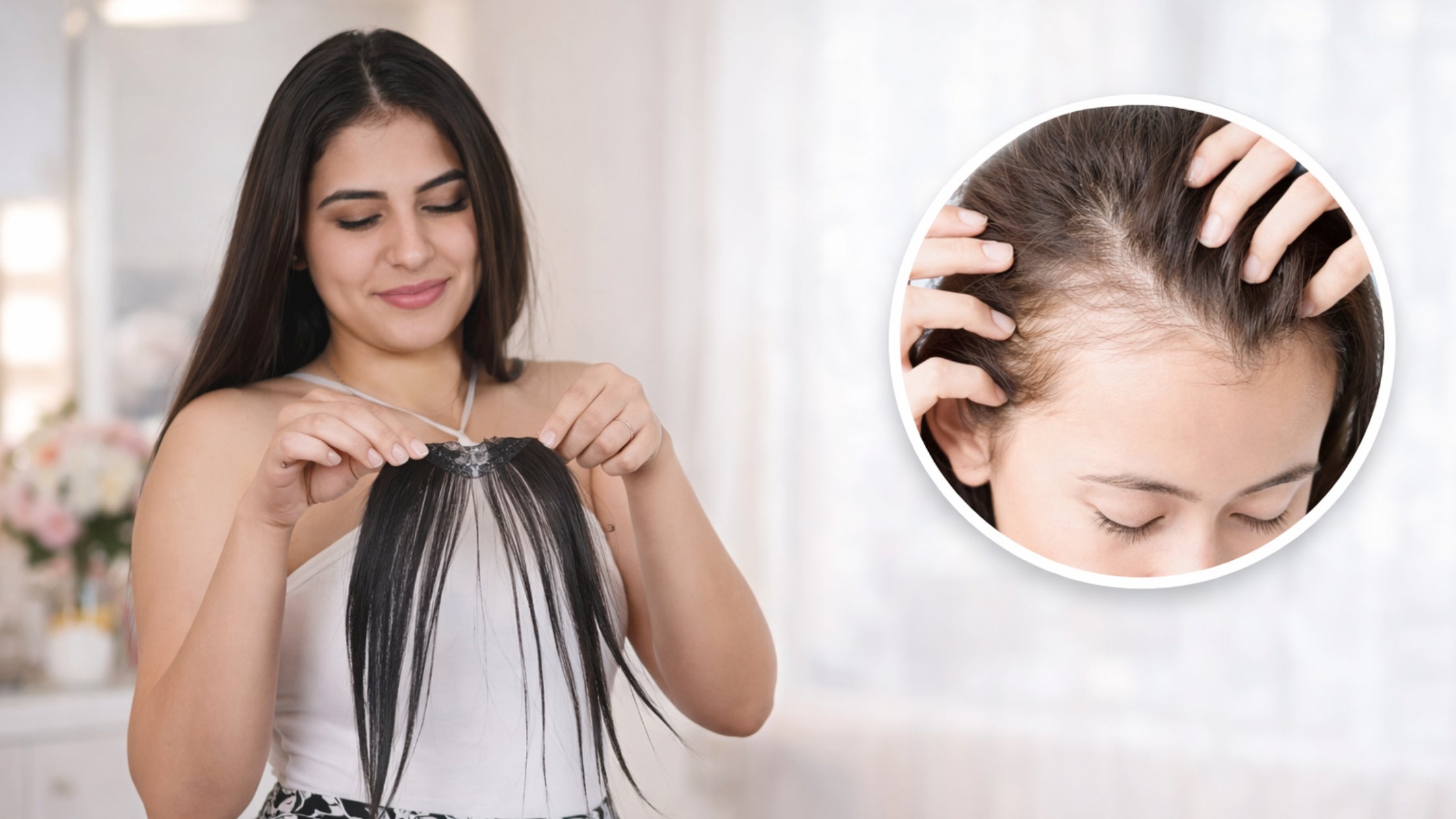
A hair patch is a small section of hair, typically made from 100% Remy human hair, mounted on a thin base that attaches to your scalp using clips. It sits flat against your existing hair, covers the thinning area directly, and blends in so that the patch itself is not visible.
The term is used in two different ways in India, which causes some confusion. In salons and hair clinics, a "hair patch" sometimes refers to a semi-permanent bonded system attached using adhesive and replaced every few months. In the consumer market, hair patches typically refer to clip-in hairpieces designed for home use, which attach and detach without any adhesive or professional help.
This guide focuses on clip-in hair patches, which are the most accessible, most affordable, and most practical option for the majority of Indian women dealing with localised thinning.
What Is a Hair Patch Made Of?
The best hair patches use 100% Remy human hair. Remy hair means all strands are aligned in the same direction from root to tip, which prevents tangling, preserves natural shine, and allows heat styling the same way you would style your own hair.
According to 1 Hair Stop's product guide, human hair patches are made using ethically sourced Indian hair and are designed to blend naturally with Indian hair textures and tones. The base material is typically lace, monofilament, or a skin-like PU material, all of which sit flat against the scalp and are invisible under hair.
How Is a Hair Patch Different From a Hair Topper or Wig?
The difference comes down to coverage size.
- Hair patch: Covers a small, specific thinning zone. Typically 2 to 4 inches wide. Best for a single bald spot, a widening parting, or a thinning crown area.
- Hair topper: Covers a larger section of the scalp, from the front hairline to the mid-crown. Suits women with more diffuse thinning across the top of the scalp.
- Full wig: Covers the entire scalp. Used when thinning is extensive or when full hair replacement is needed.
According to 1 Hair Stop's guide on hair patches vs toppers, hair patches are ideal for targeting specific areas while hair toppers suit broader coverage needs. Most women with early to moderate thinning find that a patch covers exactly what they need without any additional bulk.
Who Should Use a Hair Patch?

Hair patches work for a specific set of situations. Understanding when they genuinely help makes the choice straightforward.
Women With a Widening Centre Parting
This is the most common use case among Indian women. The parting gradually widens over months or years due to hormonal changes, post-pregnancy shedding, or nutritional deficiencies. A hair patch placed along the parting covers the visible scalp immediately and looks like your own hair from every angle.
Indian women with centre partings are particularly well-suited to clip-in patches because the parting itself creates a natural placement point for the clip, making application straightforward even for first-time users.
Women With Crown Thinning
Crown thinning is the most visible form of female pattern hair loss. It becomes obvious in photographs, in overhead lighting, and when hair is tied back. A hair patch placed at the crown covers the thinning area and restores the full, rounded shape that crown thinning removes.
According to Max Healthcare's hair loss guide, diffuse thinning across the crown and top of the scalp is the most common pattern of female hair loss in India, affecting a large proportion of women over 35. Hair patches directly address this exact pattern.
Women With a Specific Bald Spot
Alopecia areata, traction damage from tight hairstyles, or localised hair loss from stress can create a defined bald spot on the scalp. A hair patch sized to cover that area provides immediate daily coverage while any underlying treatment takes effect.
The key advantage here is that clip-in patches allow the natural hair around the bald spot to remain completely untouched. There is no adhesive, no bonding, and no interference with regrowth.
Women Managing Post-Pregnancy Hair Thinning
Post-pregnancy hair shedding typically peaks around three to four months after delivery and can last up to twelve months. During this period, thinning at the parting and crown is common and often distressing.
A clip-in hair patch provides an immediate cosmetic solution during this temporary phase. Once natural hair regrowth catches up, the patch is simply no longer needed. No commitment, no ongoing treatment, no permanent change to the hair.
Women Who Want Volume Without Length
Not every woman wants longer hair. Some simply want more density at the crown or more volume around the parting. A hair patch achieves this without adding length, without changing the overall style, and without the weight of a full extension set.
How to Choose the Right Hair Patch
Getting the choice right comes down to four things: size, shade, base type, and hair texture.
Size: Match to the Thinning Area
Hair patches come in different widths, ranging from narrow parting covers to wider crown options. Measure the width of your thinning zone before buying. A patch that is too small will not cover the area. A patch that is too large will sit on hair that does not need coverage and may look unnatural at the edges.
Shade: Match to Your Mid-Length, Not Your Roots
The shade of the patch should match your hair at the mid-length in natural daylight. Roots are usually darker than mid-lengths, and matching to roots creates a visible depth difference. For most Indian women, shade #1B (natural black) or shade #2 (dark brown) is the closest match. The complete Indian hair shade matching guide covers shade selection for all Indian hair colours in detail.
Base Type: Lace vs Monofilament vs PU
Lace bases are the lightest and most breathable. They are best for daily wear and suit women who wear their hair down. Monofilament bases mimic the appearance of a natural scalp and are ideal for partings because the base itself looks like skin when hair is parted over it. PU (polyurethane) bases are the most durable, better suited for occasional wear.
Hair Texture: Match Your Own
Indian hair ranges from straight to wavy. Choosing a patch in a texture that matches your natural hair means the two blend together without requiring heat styling. A straight patch on wavy natural hair creates a visible texture difference at the blending point.
Dolcy Hair Patches: What You Get
Dolcy's hair patches are made from 100% Remy human hair and cover the two most common thinning zones in Indian women: the centre parting and the crown. Each patch clips into place in under two minutes, requires no salon visit, and is available in the shades most common among Indian hair types.
Key specifications:
- Material: 100% Remy human hair
- Attachment: Clip-in, no adhesive required
- Available shades: Multiple shades matched to Indian hair tones
- Lifespan: 6 to 12 months with regular basic care
- Wash: Sulfate-free shampoo, air dry, every 10 to 15 uses
- Heat styling: Safe with heat protectant applied first
A single Remy human hair patch that lasts six to twelve months costs a fraction of a single PRP session or a month of topical treatment. For women who want an immediate, visible result while deciding on or waiting for long-term treatment, this makes hair patches the most accessible and practical entry point.
Hair patches work alongside medical treatment for hair thinning, not instead of it. They solve the visible problem while any underlying cause is being addressed.
How to Care for a Hair Patch
Human hair patches require the same basic care as natural hair. The main difference is that they do not receive natural oils from the scalp, so they need occasional moisture from a light conditioner to stay soft.
-
Washing: Wash every 10 to 15 uses with cold water and a sulfate-free mild shampoo. Apply conditioner from mid-length to ends, leave for 5 minutes, then rinse.
-
Drying: Air dry only. Lay flat on a clean towel or hang on a hanger. Do not use a hairdryer on high heat directly on the patch.
-
Storing: Store in a breathable satin pouch or on a small wig stand to keep the hair tangle-free.
-
Heat styling: Use low to medium heat only. Always apply a heat protectant spray before using any hot tool.
-
Detangling: Use a wide-tooth comb starting from the ends and working upward. Never pull through tangles from the root.
With basic care, a 100% Remy human hair patch lasts six to twelve months. According to 1 Hair Stop's product guide, high-quality human hair patches can last even longer with consistent maintenance.
Frequently Asked Questions
Are hair patches visible when worn?
No, when applied correctly a hair patch is invisible. The base sits flat against the scalp, the clips sit under the hair, and the Remy human hair blends with your natural strands. Matching the shade and texture correctly is what determines how natural the result looks. A monofilament or lace base is particularly undetectable when hair is parted over it.
Will a hair patch damage my natural hair?
No. Clip-in hair patches use small pressure clips that grip the hair shaft without adhesive, heat, or chemicals. Avoid placing clips on the same section repeatedly and remove the patch at the end of each day. Do not sleep with a hair patch in place.
How long does a hair patch last?
A 100% Remy human hair patch lasts six to twelve months with regular basic care. This includes washing every 10 to 15 uses with a sulfate-free shampoo, air drying, and storing in a satin pouch. Human hair maintains its texture and appearance far longer than synthetic alternatives.
Can I style a hair patch with heat tools?
Yes, if the patch is made from 100% Remy human hair. Apply a heat protectant spray before using any hot tool and use low to medium heat settings. Synthetic patches cannot withstand heat and will melt or fuse if a flat iron or curler is used on them.
What is the difference between a hair patch and a hair topper?
A hair patch covers a small, specific thinning zone, typically 2 to 4 inches wide. It is best for a widening parting, a thinning crown spot, or a defined bald area. A hair topper covers a larger section from the front hairline to the mid-crown and suits women with more diffuse thinning across the entire top of the scalp.
The Simplest Solution for Localised Thinning
Hair patches solve a specific problem directly. When thinning is concentrated at the parting, crown, or a defined spot, a clip-in patch covers it immediately with natural-looking human hair, no surgery, no chemicals, and no waiting.
They work best as part of a broader approach. Addressing the underlying cause of thinning through nutrition, hormonal treatment, or dermatological guidance produces long-term results. A hair patch handles the visible problem in the meantime. The complete hair thinning guide for Indian women covers all available medical and cosmetic options together in one place.